3D printed
Cat window clip
Prompt
“Make a clip that snaps onto two slats of my blinds and bows them apart into a 15 cm wide opening so that my cat can look out the window. The slats are 25 mm wide curved aluminium, 21 mm apart.”

Describe a part. Get printable CAD.
STEP · STL · 3MF · DXF
Every part here was described in plain language. Turn the model, measure it and cut a section through it.
“Make a clip that snaps onto two slats of my blinds and bows them apart into a 15 cm wide opening so that my cat can look out the window. The slats are 25 mm wide curved aluminium, 21 mm apart.”
An agent that asks what it needs, builds the model, and refines until the geometry holds up.
Plain language, the way you'd brief a human designer. Give it dimensions, fits and standards, or just the idea.
It asks what it needs to know, builds the model, and checks its own work, measuring the result against your spec until it's right.
Download editable CAD (STEP) and print-ready meshes (3MF and STL).
You describe the part, nothing about printing. The agent works out load paths, wall thickness, the weak link and the right orientation. It builds intelligently and explains its decisions in plain terms.
Quick load-path analysis, quantized walls and support-free orientation, plus warnings when your instructions lead to a fragile part.
Anisotropic-stress and grain-direction labels, pieces sized to your stock, and clean per-panel files ready to cut.

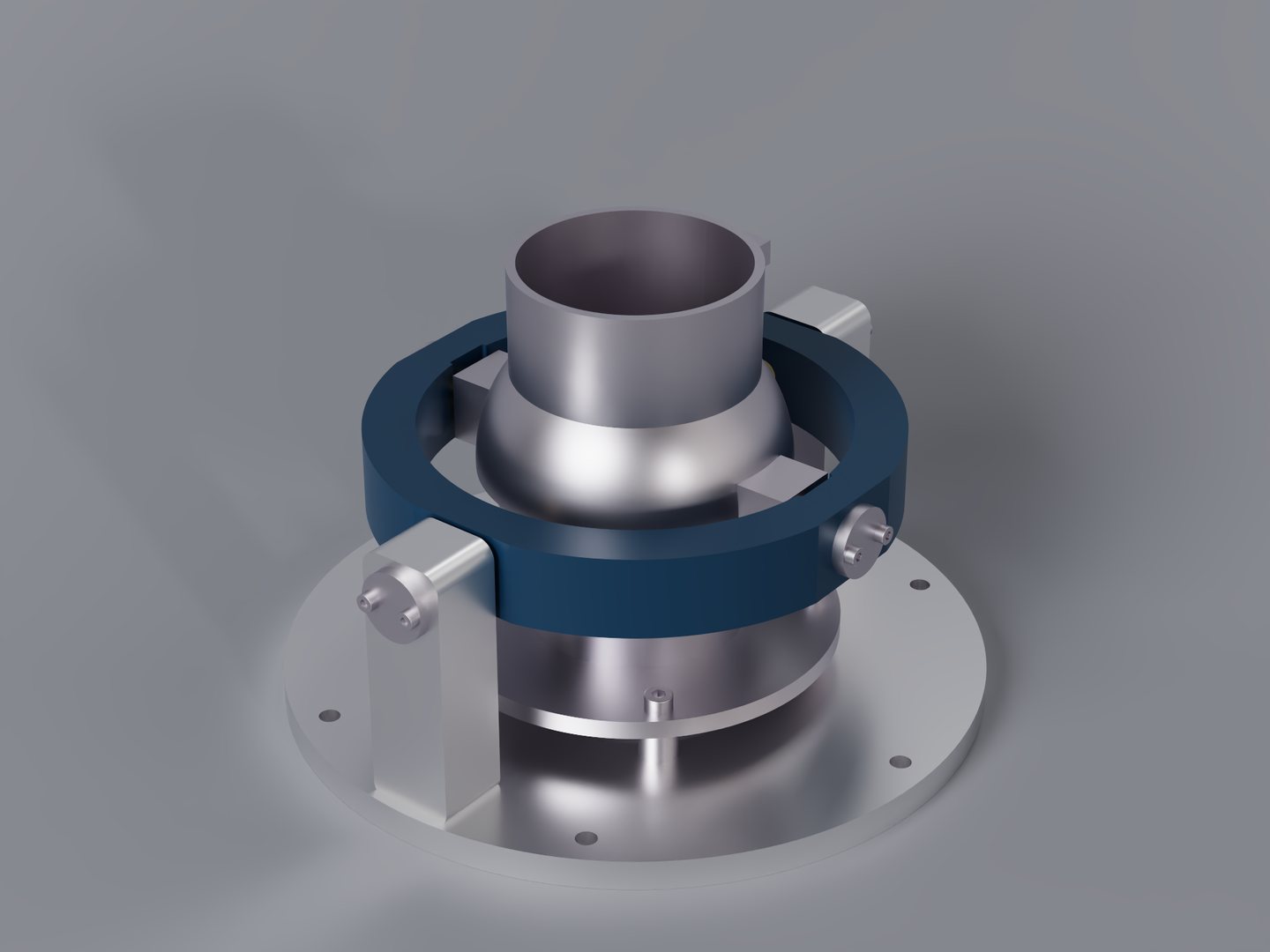
It builds to the exact dimensions you specify: real units, flat faces, not an approximation. Say 45 mm and the part comes out 45 mm.
You get real, editable CAD: a STEP file you can open and modify in your own tools, not a frozen mesh. You can also change a design's parameters directly in LexiCAD, and it rebuilds.
General assistants like ChatGPT and Claude are capable: they can write CAD code and even run it. What they don't do is give you a manufacturable part reliably. They sometimes check their work and sometimes don't; when I asked ChatGPT for a bench vise, the handle passed through other parts and the jaw floated in mid-air, and nothing flagged it. LexiCAD is built for this one job. It carries the know-how of designing parts that get made: walls thick enough to print, overhangs that don't sag, threads shaped to print cleanly, assemblies that can actually be put together, laser-cut parts laid out on the sheets you have. And the checking isn't optional: every design is built, inspected and measured against what you asked for, and reworked until it holds up, every time. Around that you get the tools a chat window doesn't have: a 3D viewer where you can measure the part and cut a section through it, a version history you can rewind, and real STEP, STL and DXF files at the end.